
Big Read
The Autumn Budget 2026
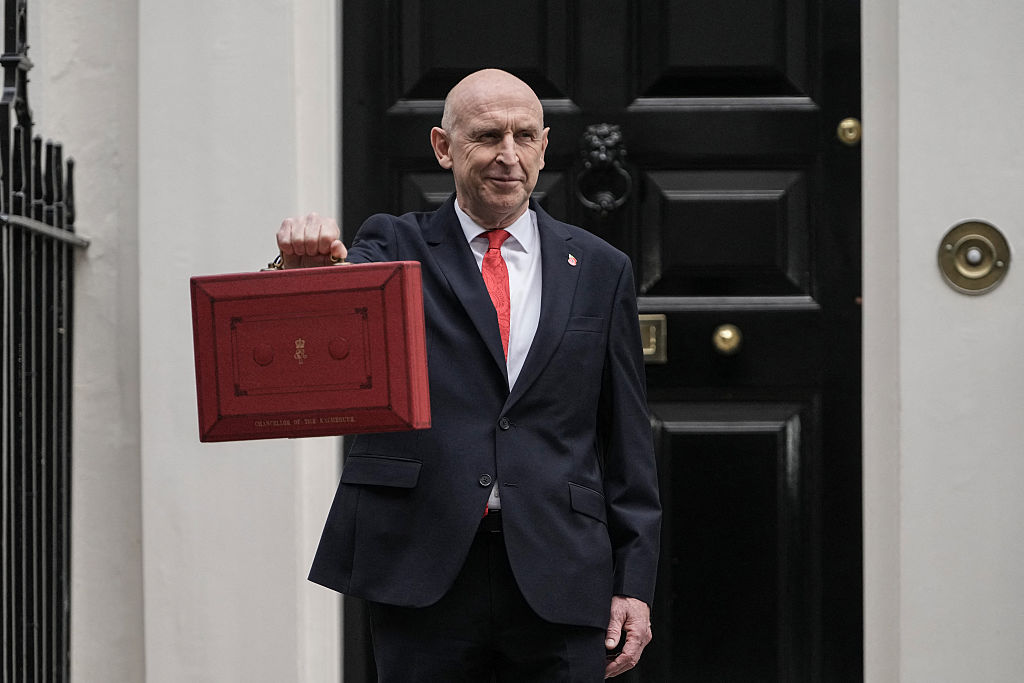
Chancellor John Healey's first Budget adds a further two-point rise to tax on rental income, confirms the Your First Home scheme and the mansion tax, but makes no changes to stamp duty.

By
David Wright
28 October 2026 · 14:44 · 7 min read
Chancellor John Healey has delivered his first Budget. There is no change to stamp duty, but landlords face a further tax increase. The new first-time buyer scheme and the mansion tax are both confirmed, along with a significant shift of financial power to local areas.
Landlords face a steeper tax rise
Rental income is currently taxed at the same rates as other income: 20%, 40% and 45%. At last year's Budget, the previous Chancellor, Rachel Reeves, announced a separate set of property income tax rates two percentage points higher, starting in April 2027.
Healey has now added a further two points on top. From April 2027, individual landlords will pay 24%, 44% or 49% on their rental profits, depending on their tax band. Savings income will see the same increase.
In practice, a higher-rate landlord with £10,000 of taxable rental profit currently pays £4,000 in tax. From April 2027, that will rise to £4,400. For landlords with larger portfolios, or whose profits push them into a higher band, the increase quickly adds up.
The change applies only to properties held in an individual's own name. Landlords who own through a limited company pay corporation tax on their profits instead and are not directly affected. However, moving existing properties into a company usually brings stamp duty and capital gains tax costs, so incorporation is not a simple fix for everyone.
Industry reaction was sharp. Heather Powell, a partner at accountants Blick Rothenberg, warned the change could push more private landlords to sell up. Combined with mortgage interest relief being restricted to the basic rate, she said, this could reduce rental supply and push up rents.
Stamp duty unchanged
As the Prime Minister had signalled in the summer, there were no cuts or reforms to stamp duty. In England, buyers pay nothing on the first £125,000 of a purchase. First-time buyers pay nothing up to £300,000 on homes costing up to £500,000. Buyers of additional properties, including landlords, pay a 5% surcharge on top of standard rates.
Leaving the tax unchanged gives buyers and sellers certainty, but no extra incentive to move. It will disappoint those who had called for a stamp duty holiday to revive transactions, including TAB chief executive Duncan Kreeger in the run-up to the Budget.
Mansion tax confirmed
The High Value Council Tax Surcharge, known as the mansion tax, will go ahead on homes in England worth £2m or more. It will add an annual charge of between £2,500 and £7,500 on top of normal council tax, depending on the property's value, with first bills due in March 2028.
The government will introduce a deferral scheme for owners who cannot easily pay, along with discounts and exemptions. Properties left empty and unoccupied for 12 months or more will face a 100% premium.
Your First Home confirmed
The new Your First Home scheme will launch in spring 2027, backed by £4.7bn. It works in a similar way to the old Help to Buy scheme, which ran from 2013 until 2023. Buyers put down a deposit of between 2.5% and 15%. The government lends them 20% of the purchase price as an equity loan, and a standard mortgage covers the rest. The scheme is available only on new-build homes.
On a £300,000 new-build home, for example, a buyer could put down £7,500, take a £60,000 government equity loan and need a mortgage of £232,500.
Household income caps are set at £110,000 outside London and £140,000 in London. Property price caps will follow local median prices, with caps of £650,000 in inner London and £500,000 in outer London. These caps are designed to target help at typical first-time buyers rather than the top of the market.
Zoopla's Richard Donnell welcomed the scheme as a boost for first-time buyers and housebuilders. He estimated that up to 30,000 buyers a year could benefit, although he said its impact will depend on getting the price caps right. Others have warned that buyers will need to fully understand the repayment terms once any interest-free period on the equity loan ends.
A new savings route for first-time buyers
A new First Time Buyer ISA will replace the Lifetime ISA from April 2029. It keeps the 25% government bonus on savings of up to £4,000 a year, paid when the money is used for a first home worth up to £450,000. Unlike the Lifetime ISA, it will have no upper age limit.
For existing Lifetime ISA holders who want to buy a home above the £450,000 cap, the penalty for withdrawing money is being cut from 25% to 20% from 29 October 2026. This means savers will no longer lose part of their own contributions.
Housebuilding and devolution
To support housebuilding, the government has pledged no major changes to building regulations during this Parliament, except where safety requires them. Frequent rule changes have added cost and delay for developers in recent years, so a period of stability will be welcomed by the sector.
Councils will get access to cheaper borrowing to build more council homes, and the social and affordable housing programme will receive an extra £1.5bn.
The Budget also sets out a major transfer of financial power to local areas. All business rates will be kept locally by 2030, with mayors receiving 20% of revenue from next year. Mayors will also get access to £1.5bn of loans and a new growth fund, and from 2028 they will be able to charge an overnight visitor levy. The Chancellor pointed to projects such as the Bakerloo line extension in London as the kind of infrastructure these powers could help fund. That could, over time, unlock new regeneration and development sites.
Measures for businesses
Several business tax changes will be relevant to property professionals. The lifetime limit for Business Asset Disposal Relief, which reduces capital gains tax when owners sell a business, has been halved from £1m to £500,000. The Chancellor said three in four claimants will be unaffected.
Full expensing on qualifying investment remains. For other assets, the first-year allowance rises from 40% to 50%, while the main writing down allowance falls from 14% to 12%.
The threshold for Small Business Rate Relief for retail, hospitality and leisure businesses rises from £12,000 to £18,000. That could help occupiers of smaller shops, pubs and cafés, and in turn support landlords of semi-commercial and commercial property.
Banks will pay an extra three percentage points of bank surcharge to fund help with energy bills. The surcharge applies only to bank profits above an annual allowance, so it mainly affects larger banks rather than smaller specialist lenders.
The wider picture
The Office for Budget Responsibility upgraded its growth forecast to 1.2% this year, with 1% forecast for next year and growth of between 1.6% and 1.8% a year after that. Borrowing is expected to fall from 4.2% of GDP this year to 1.8% by 2030/31. The government's buffer against its fiscal rules will be £15bn in 2029/30, rising to £22bn the following year. However, the cost of servicing government debt is £14bn higher this year than previously expected.
Britain has beaten the forecasts this year.
For households, 20 million homes in council tax bands A to D will receive a £100 energy payment, and standing charges on gas bills are due to be scrapped from 2027. The Chancellor also reversed plans to cut the cash ISA allowance, which stays at £20,000.
What it means for specialist lending
For the bridging and specialist finance market, this was a Budget of steady conditions rather than a boost. With stamp duty untouched, there is no holiday to trigger a rush of purchases before a deadline. Demand for purchase bridging, auction finance and chain-break loans is likely to follow the wider market's slow recovery rather than jump.
The biggest change is for landlords. Because the rental income tax increase only affects properties held personally, it could speed up two existing trends: individual landlords selling up, and portfolio landlords moving properties into company structures. Both can create work for specialist lenders. Sales can bring more properties needing refurbishment, below-market-value opportunities and investors needing fast purchase finance. Restructuring can drive demand for refinancing, bridge-to-let and limited company buy-to-let lending.
For developers, the picture is mixed. Your First Home should support demand for new-build homes, particularly from SME housebuilders building at lower price points, and the pledge of no major building regulation changes this Parliament offers some certainty. However, the scheme does not launch until spring 2027. Some housebuilders have warned that buyers may hold off until it opens. That could leave developers holding completed stock for longer and increase demand for development exit finance over the coming months.
At the top end of the market, the confirmed mansion tax may weigh on prime property values and encourage some owners to downsize before 2028. That could support demand for short-term finance in higher-value chains, particularly in London and the South East.
More broadly, lenders will be watching how gilt markets and swap rates react to the Budget. Higher government borrowing costs feed through to funding costs across the market, and mortgage rates had been creeping up in the run-up to the statement. If the Budget brings a period of stability, that may do more for transaction volumes than any single measure.
Read more
All news
Market Insights
Property transactions fall 4% as approvals slide and price growth stalls
Sales, approvals and price growth all slow around the Budget
30 October 2026

Deals
Hilco provides £7.5m bridge on two Jersey office blocks
HREF's 24-month bridge supports sale of fully let Jersey offices
30 October 2026

Deals
Stamford Finance completes £1.4m across Windsor and Glasgow
Stamford raises £1.4m against Windsor home and Glasgow development site
29 October 2026

Expansion
Albatross puts co-founders at heart of new principal-led deal teams
Albatross gives brokers earlier access to decision-makers through pod structure
29 October 2026

Deals
SDKA lends £774k for purchase of Yorkshire seafront hotel
SDKA funds 90% of price on closed East Yorkshire hotel
29 October 2026

Deals
Suros Capital lends £200k against luxury watches to fund refurbishment
Luxury watch collection secures developer £200,000 bridge within 24 hours
29 October 2026

Products
Allica Bank enhances development exit product to support Your First Home schemes
Allica offers 75% LTV development exit for first-time buyer schemes
29 October 2026

Products
UTB cuts bridging rates by up to 0.16% a month
UTB cuts bridging rates and simplifies its Near Prime pricing
28 October 2026

Deals
Ultimate Finance provides £592,000 bridge for Scottish purchase
Repeat borrower buys four discounted Scottish flats with Ultimate bridge
27 October 2026

Regulation
Land Registry publishes guidance on new development land reporting rules
Developers must start reporting land control agreements from April 2027
27 October 2026
Refinance
United Trust Bank provides £35.5m bridge-to-investment loan
UTB refinances 96-home south-west London build-to-rent scheme at 70% LTV
27 October 2026
Deals
DCI provides 100% bridge for below-market-value Luton purchase
DCI lends 100% of price on discounted Luton house purchase
27 October 2026