

Opinion
Five questions every broker should ask before submitting a case
Asking the right questions upfront, from the borrower's purpose and exit to lender fit and timescales, can save brokers time and keep bridging deals on track.

By
Hannah Vale
26 October 2026 · 16:40 · 3 min read
When a client needs funds quickly, it can be tempting to send a bridging enquiry to a lender straight away. But a rushed submission often causes more delay than it saves. Missing details, unrealistic expectations or a lender whose criteria don't quite fit can all lead to extra work later on.
A small amount of preparation at the start gives the deal a much better chance of moving smoothly. Here are five questions worth asking before your next bridging submission.
1. Why does the borrower need bridging finance?
Start with what the borrower is trying to achieve. A purchase at auction with a fixed completion date, a refurbishment project and a refinance of an existing loan each have very different requirements. Understanding the purpose helps narrow down which lenders will be comfortable with the deal.
It is also important to establish early on whether the loan will be regulated or unregulated. If the borrower or a family member lives in, or plans to live in, the property, the loan is likely to be regulated. That rules out lenders that only offer unregulated bridging.
2. Does the exit stand up?
Lenders will want to know exactly how the loan will be repaid before they commit. If the plan is to refinance, check whether the borrower will meet the criteria of the term lender. If the plan is to sell, make sure the expected price is supported by evidence and that the timescale allows room for delays.
A bridge is only as strong as its exit.
Testing the exit now means any weaknesses come to light before underwriting, not during it.
3. Do you know everything about the borrower and the property?
Few things derail a deal faster than an issue surfacing halfway through that could have been raised on day one. Previous declines, valuation concerns, complex ownership structures and problems with the security can all affect a lender's decision.
If the case has already been seen by another lender, find out what happened and share it. A different lender may take a more positive view of the same issue, but only if it has the full picture from the outset.
4. Is this the right lender for the deal?
Bridging lenders vary widely in their criteria, funding and attitude to risk. Before submitting, check the property type, location, loan size, LTV and term against the lender's appetite. Some lenders have geographical limits or minimum loan sizes, while others will take a broader view.
Knowing your lender panel well, and having good relationships with their BDMs, makes this much easier, especially for less straightforward cases.
5. Is everyone ready to move at the same speed?
Even the quickest lender cannot complete if others in the transaction are not ready. Make sure the borrower has the necessary documents to hand, understands what will be needed and has appointed a solicitor who can work to the timescale. Build the valuation into the timetable as well.
Agreeing realistic timescales at the start means everyone knows what is achievable and what still needs to happen before completion.
Starting on the right foot
None of these questions takes long to answer, but together they can transform how smoothly a bridging deal progresses. A well-prepared enquiry gives lenders what they need to make quick decisions and stops brokers wasting time chasing the wrong funding option.
Read more
All news
Market Insights
Property transactions fall 4% as approvals slide and price growth stalls
Sales, approvals and price growth all slow around the Budget
30 October 2026

Deals
Hilco provides £7.5m bridge on two Jersey office blocks
HREF's 24-month bridge supports sale of fully let Jersey offices
30 October 2026

Deals
Stamford Finance completes £1.4m across Windsor and Glasgow
Stamford raises £1.4m against Windsor home and Glasgow development site
29 October 2026

Expansion
Albatross puts co-founders at heart of new principal-led deal teams
Albatross gives brokers earlier access to decision-makers through pod structure
29 October 2026
Deals
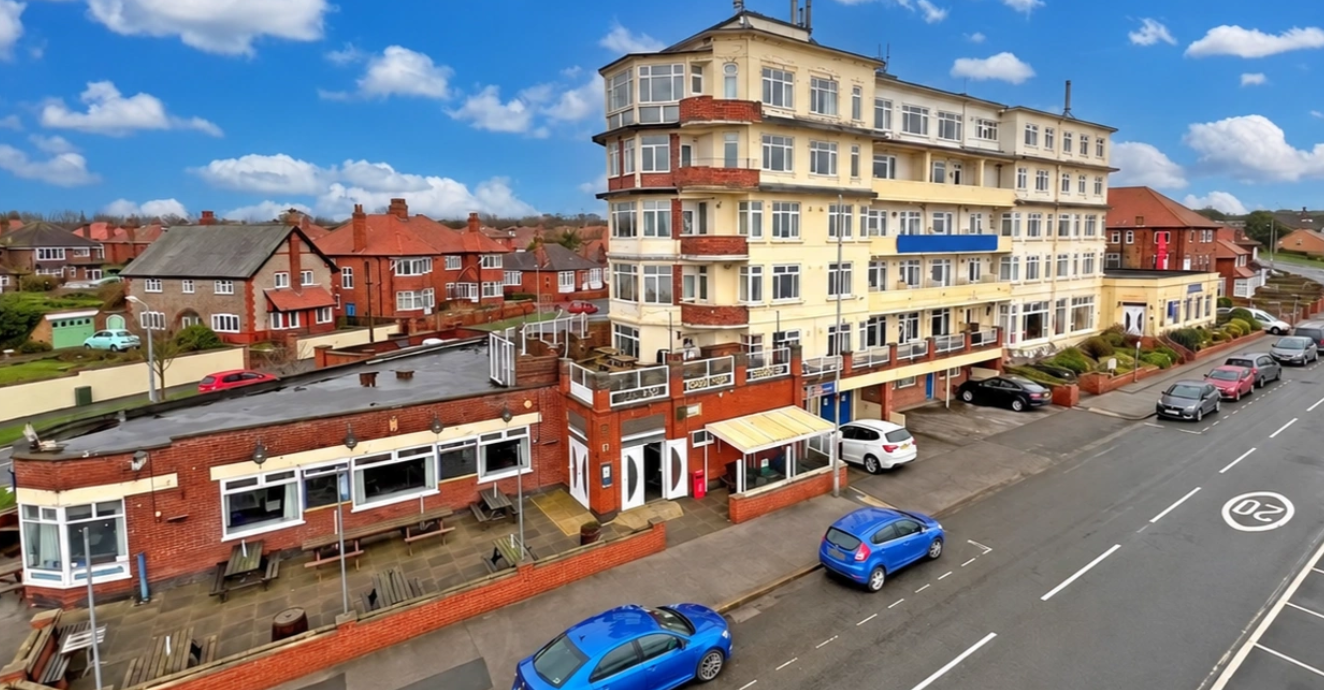
SDKA lends £774k for purchase of Yorkshire seafront hotel
SDKA funds 90% of price on closed East Yorkshire hotel
29 October 2026

Deals
Suros Capital lends £200k against luxury watches to fund refurbishment
Luxury watch collection secures developer £200,000 bridge within 24 hours
29 October 2026

Products
Allica Bank enhances development exit product to support Your First Home schemes
Allica offers 75% LTV development exit for first-time buyer schemes
29 October 2026

Products
UTB cuts bridging rates by up to 0.16% a month
UTB cuts bridging rates and simplifies its Near Prime pricing
28 October 2026

Deals
Ultimate Finance provides £592,000 bridge for Scottish purchase
Repeat borrower buys four discounted Scottish flats with Ultimate bridge
27 October 2026
Regulation
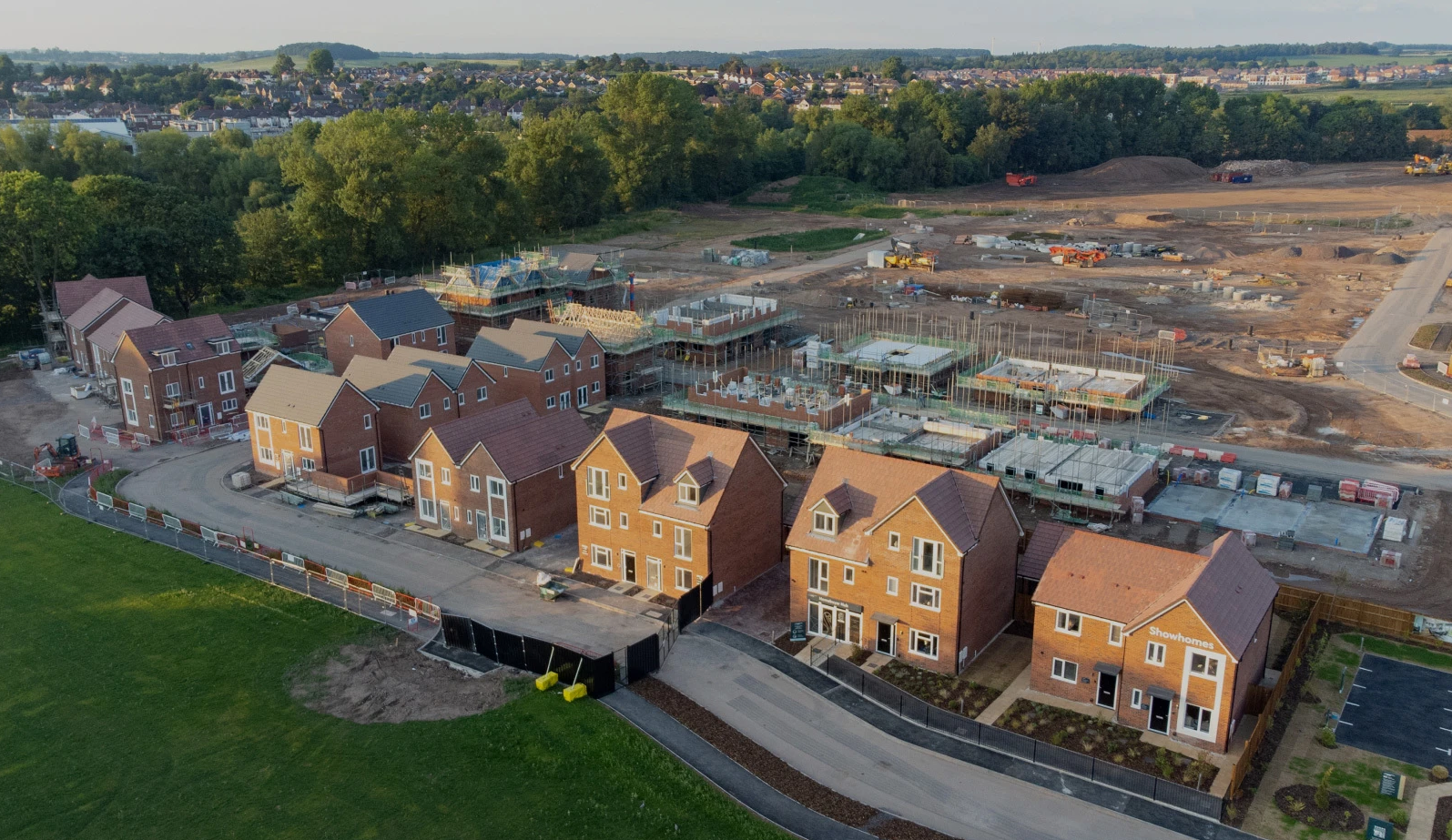
Land Registry publishes guidance on new development land reporting rules
Developers must start reporting land control agreements from April 2027
27 October 2026

Refinance
United Trust Bank provides £35.5m bridge-to-investment loan
UTB refinances 96-home south-west London build-to-rent scheme at 70% LTV
27 October 2026
Deals
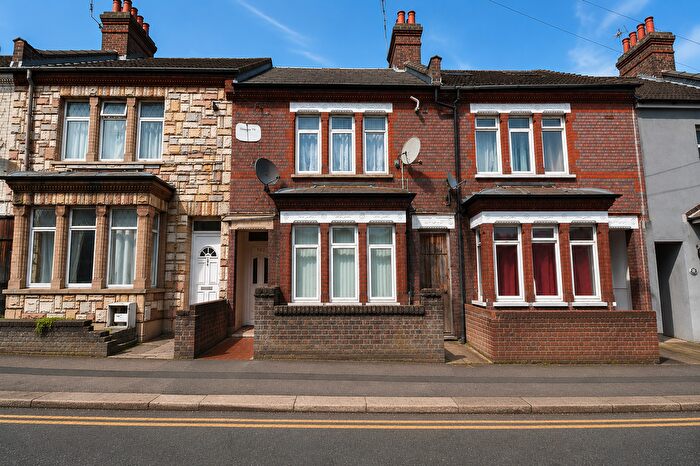
DCI provides 100% bridge for below-market-value Luton purchase
DCI lends 100% of price on discounted Luton house purchase
27 October 2026